Source Emulsified Flavorings Arabinogalactan for Food, Beverages, and Cosmetics
Find 30 listings for Emulsified Flavorings Arabinogalactan from Chinese manufacturers. Buyers can compare purity levels, packaging options, and application suitability across industrial and food-grade variants.
Key considerations
Products List



Comprehensive Sourcing Guide
Strategic Sourcing Guide for Emulsified Flavorings and Arabinogalactan
The global demand for natural emulsifiers and flavor carriers has driven a significant shift in the procurement landscape for food-grade and industrial-grade raw materials. Arabinogalactan, a complex polysaccharide, has emerged as a critical component in the formulation of emulsified flavorings, stabilizers, and functional food ingredients. For procurement professionals, navigating the market requires a disciplined approach that distinguishes between technical specifications, regulatory compliance, and supply chain reliability. This guide provides a comprehensive framework for sourcing arabinogalactan, grounded in observed market data and verified product attributes.
Technical Specifications and Material Characteristics
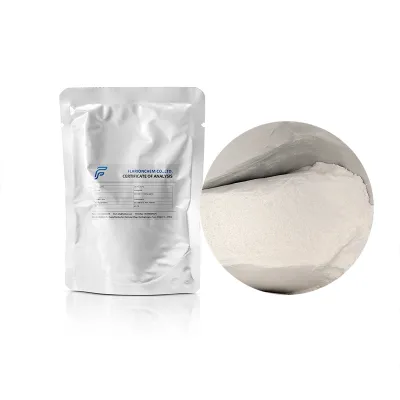
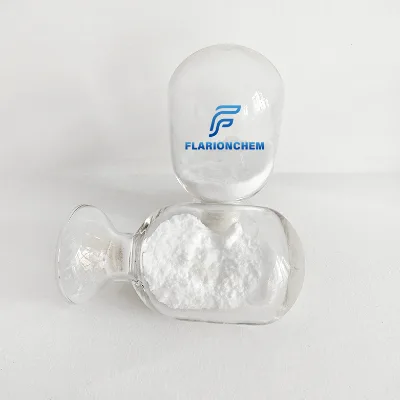
Understanding the physical and chemical profile of arabinogalactan is the first step in defining a precise procurement requirement. The material is primarily characterized as a white powder, though some listings indicate a colorless appearance depending on the specific grade or solution state. The standard appearance is consistently noted as a refined white powder, which is essential for applications where visual clarity or lack of discoloration is paramount.
The molecular composition is a defining factor for quality assessment. The molecular formula is identified as C20H36O14, a specific structural representation that buyers must verify against their formulation requirements. Purity is a critical metric, with observed specifications often citing a minimum of 99% purity. However, content levels can vary, with some industrial grades specifying a content of ≥85%. Buyers must clarify whether they require the high-purity variant for pharmaceutical or high-end food applications or the lower-content variant for bulk industrial uses.
Physical properties further dictate handling and storage protocols. The melting point is recorded as greater than 200 °C with decomposition, indicating high thermal stability during processing. The refractive index is a specific optical property observed at 10 ° (C=1, H2O), which serves as a verification point for identity testing. Moisture content is another vital parameter, with strict limits often set at ≤6.0% to prevent microbial growth and ensure shelf stability. These numerical thresholds are not merely suggestions but are essential benchmarks for quality control acceptance.
Regulatory Compliance and Certification Standards
In the food and flavor industry, regulatory compliance is non-negotiable. Arabinogalactan is widely recognized as a food additive, yet its classification can vary based on the intended application. Some product listings explicitly state a "Food Additives" grade standard, while others classify the material under "Industrial Grade." This distinction is crucial for buyers, as the regulatory burden and safety testing requirements differ significantly between these categories.
Certification status provides an additional layer of assurance regarding manufacturing practices. ISO 9001 certification is a standard observed in the supply chain, indicating that the supplier adheres to international quality management systems. For buyers in the food sector, verifying that the specific batch or supplier holds relevant food safety certifications is mandatory. The European Inventory of Existing Commercial Chemical Substances (EINECS) number 232-910-0 and the CAS number 9036-66-2 are standard identifiers used to confirm the chemical identity and regulatory status of the substance.
Furthermore, the Food and Flavor Extract Manufacturers Association (FEMA) number 3254 is a key reference for flavor industry professionals, confirming the substance's status as a generally recognized safe (GRAS) ingredient in many jurisdictions. Buyers must ensure that the supplier can provide documentation linking the specific product batch to these regulatory identifiers. Failure to verify these standards can lead to compliance issues, particularly when exporting to regions with strict food safety laws.
Cost Drivers and Pricing Dynamics
The pricing of arabinogalactan is influenced by a complex interplay of factors, including purity, grade, packaging, and order volume. The observed market price range spans from $0.50 to $100.00 USD, a wide variance that reflects the diversity of product grades and packaging configurations. High-purity, food-grade variants with specific certifications typically command a premium over industrial-grade materials.
Packaging plays a significant role in the final cost structure. Common packaging formats include 1kg bags, 25kg drums, and 25kg bags. Some suppliers offer flexible options ranging from 25g to 100g for sampling, while bulk orders are typically handled in 200kg or 25kg units. The choice of packaging affects logistics costs and storage requirements. Smaller units like 1kg bags are ideal for R&D or small-batch production, whereas 25kg drums are optimized for large-scale manufacturing.
Minimum Order Quantity (MOQ) is another critical cost driver. The market observes an MOQ range from 1 unit to 1000 units. Suppliers with lower MOQs may charge a higher per-unit price to cover handling and administrative costs, while bulk orders often benefit from economies of scale. Buyers should align their order volume with their production forecast to optimize unit costs without incurring excessive inventory holding costs. Additionally, the availability of customization and OEM/ODM services can impact pricing, as tailored formulations or private labeling often require additional processing fees.
Typical Applications in Food and Industrial Sectors
Arabinogalactan serves a versatile role across multiple industries, with its primary application being in the food sector as an emulsifier and stabilizer. In emulsified flavorings, it acts as a carrier that helps disperse oil-soluble flavors in water-based systems, ensuring uniform distribution and preventing separation. Its ability to form stable emulsions makes it invaluable in beverage formulations, dairy products, and sauces.
Beyond food applications, the material is utilized as a synthesis material intermediate in various chemical processes. The "Industrial Grade" designation suggests its use in non-food applications where high purity is less critical but functional performance is required. In these contexts, arabinogalactan may be used as a thickening agent, a binder, or a stabilizer in industrial formulations. The "Various Food Additives" application note indicates its adaptability to different product categories, from beverages to confectionery.
The specific application dictates the required grade. For instance, a beverage manufacturer requiring a clear, stable emulsion will prioritize the 99% purity, food-grade variant with low moisture content. Conversely, an industrial chemical manufacturer might opt for the 85% content, industrial-grade material to reduce costs. Understanding these application nuances allows buyers to specify the exact product attributes needed, avoiding the expense of over-specifying or the risk of under-specifying the material.
Supplier Evaluation and Supply Chain Reliability
Selecting the right supplier is as important as selecting the right product. The market features suppliers from various regions in China, including Jiangsu, Shandong, and Hebei provinces. While these locations indicate a robust manufacturing base, buyers must verify the specific origin of the product to ensure it aligns with their logistical and regulatory preferences. The "Place of Origin" field is a critical data point that should be cross-referenced with the supplier's actual facility location.
Supplier capabilities extend beyond simple manufacturing. Many suppliers offer customization services, allowing for tailored specifications that meet unique client needs. The availability of OEM/ODM supply types suggests that suppliers are equipped to handle private labeling and custom formulation requests. However, buyers should verify the extent of these services and any associated costs.
Lead times and delivery capabilities are also essential evaluation criteria. Observed delivery times range from 3 to 5 days, which indicates a responsive supply chain for standard orders. However, buyers must confirm whether this lead time applies to all regions or if it is specific to domestic or nearby markets. Long-term procurement relationships require suppliers who can consistently meet delivery schedules, even during periods of high demand. The "Sample Free 1kg" offering is a positive indicator of supplier confidence and willingness to facilitate the testing phase, allowing buyers to validate quality before committing to larger orders.
Quality Control and Long-Term Procurement Strategy
Implementing a robust quality control (QC) strategy is essential for maintaining product consistency. Buyers should establish clear acceptance criteria based on the observed specifications, such as moisture content ≤6.0%, purity ≥99%, and specific refractive index values. Regular testing of incoming shipments against these benchmarks ensures that the material meets the required standards. The presence of a "Quality: Refined" or "Quality: Industrial" label is a starting point, but independent verification is recommended.
Long-term procurement considerations involve building a resilient supply chain. Diversifying suppliers across different regions, such as Jiangsu and Shandong, can mitigate the risk of regional disruptions. Maintaining a relationship with suppliers who offer flexible packaging and customization options provides the agility needed to adapt to changing market demands. Additionally, verifying the stability of the supplier's certifications, such as ISO 9001, ensures ongoing compliance with quality standards.
Buyers should also consider the storage requirements of the material. Specifications often recommend storage at 2-8°C or in a cool, dry place. Adhering to these guidelines is crucial for maintaining the integrity of the arabinogalactan, particularly its emulsifying properties. Failure to store the material correctly can lead to degradation, affecting the final product's quality.
Comparative Analysis of Product Attributes
To assist in decision-making, the following table summarizes the key product attributes observed in the market, highlighting the variations that buyers must navigate.
| Attribute | Food Grade / High Purity Observation | Industrial Grade / Standard Observation | Procurement Implication |
|---|---|---|---|
| Appearance | White Powder | White Powder / Colorless | Visual inspection is standard; colorless may indicate solution state. |
| Purity | 99% Min | 99% Min / ≥85% Content | Verify specific purity requirement; 85% may be sufficient for some uses. |
| Grade Standard | Food Additives | Industrial Grade | Critical for regulatory compliance; food grade requires stricter controls. |
| CAS No. | 9036-66-2 | 9036-66-2 | Consistent identifier; verify against regulatory databases. |
| Packaging | 1kg/Bag, 25kg/Drum | 25kg/Bag, 200kg | Packaging affects logistics; bulk options reduce per-unit cost. |
| Origin | Jiangsu, Shandong, Hebei | China (General) | Regional origin may impact shipping costs and lead times. |
| Certification | ISO 9001 | ISO 9001 | Verify current status; essential for food sector. |
| Storage | 2-8°C | Cool, Dry Place | Storage conditions vary; ensure facility can meet requirements. |
This comparative view underscores the importance of precise specification. While the core chemical identity remains constant, the grade, purity, and packaging options create distinct product profiles that serve different market needs. By carefully evaluating these attributes, buyers can secure a supply of arabinogalactan that aligns with their technical requirements, regulatory obligations, and cost objectives. The path to successful procurement lies in rigorous verification of these details, ensuring that the final product delivers the expected performance in emulsified flavorings and other applications.
FAQs
What is the typical purity level for arabinogalactan?
The typical purity level is 99% minimum for high-grade variants. Some industrial grades may have a content of 85% or higher, so buyers must verify the specific grade standard required for their application.
How should arabinogalactan be stored to maintain quality?
Store the material in a cool, dry place or at temperatures between 2 and 8 degrees Celsius. Proper storage prevents moisture absorption and ensures the stability of the white powder appearance and functional properties.
Which certifications are commonly available for this product?
ISO 9001 certification is commonly available to indicate adherence to quality management systems. Buyers should also verify the CAS number 9036-66-2 and EINECS number 232-910-0 for regulatory compliance in food applications.
Can suppliers offer customization for arabinogalactan orders?
Yes, customization is available for tailored specifications and private labeling. Suppliers often provide OEM and ODM services, allowing buyers to request specific packaging sizes like 1kg bags or 25kg drums based on their needs.
What is the minimum order quantity for this material?
The minimum order quantity ranges from 1 unit to 1000 units depending on the supplier. Lower MOQs are often available for samples, while bulk orders typically utilize 25kg drums or bags for cost efficiency.
Where are the primary manufacturing locations for this product?
Primary manufacturing locations include Jiangsu, Shandong, and Hebei provinces in China. Buyers should confirm the specific place of origin to ensure alignment with their logistical preferences and regulatory requirements.
How long is the typical delivery time for orders?
The typical delivery time is 3 to 5 days for standard orders. This lead time indicates a responsive supply chain, though buyers should confirm if this applies to their specific region or shipping destination.